Telephone Identity Lookup: 9727930474, 418-650-4865, 817-984-2338, 6043421000, 2125013400, 5137253190, 8667880288, 9787756393, 1653604433 & 3852617186

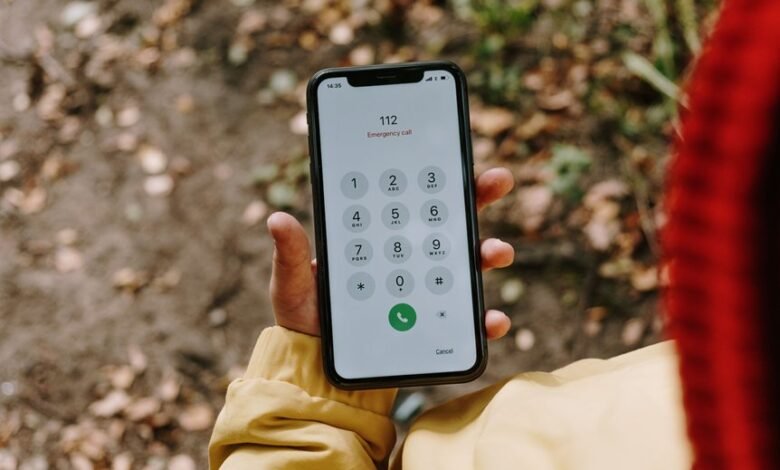
Telephone identity lookup practices for the listed numbers hinge on verifying ownership, status, and context while balancing privacy and compliance. This approach supports trusted communications, reduces spoofing, and informs policy-driven gating of calls and messages. Yet, governance, data minimization, and auditable processes must be embedded to manage risk and provenance. The implications for consent, access controls, and ongoing review invite further scrutiny as organizations weigh implementation details and operational impact.
What Telephone Identity Lookup Is and Why It Matters
Telephone Identity Lookup (TIL) refers to systems and processes that determine the true ownership and status of a telephone number, including line type, carrier, service status, and associated metadata.
TIL clarifies accountability and enables informed decisions.
Privacy indicators and consent considerations shape lawful use, balancing transparency with rights.
Analysts emphasize governance, data minimization, and auditable procedures to sustain freedom and trust.
How Lookups Assess Risk for Each Caller
Assessing risk for each caller relies on systematic lookups that integrate verified ownership, status, and metadata with patterns of behavior. Risk assessment synthesizes provenance signals, legitimacy indicators, and anomaly detection to assign confidence levels. These processes support policy-driven decisions about trust, permissions, and escalation. Call provenance and corroborated identity guide safeguards while preserving user autonomy and freedom within secure communications.
Practical Steps to Validate Numbers and Protect Your Communications
Practical steps to validate numbers and protect communications begin with establishing verifiable ownership and current status.
The analysis emphasizes robust verification processes, including cross-referencing carrier records and regulatory databases, to confirm legitimacy and avoid spoofing.
Privacy considerations demand minimal data exposure, transparent retention policies, and rigorous access controls.
Communications integrity hinges on disciplined verification, resourced governance, and steadfast commitment to data privacy.
Choosing Tools and Best Practices for Responsible Use
What tools and practices best support responsible use of telephone identity lookups? The analysis favors auditable workflows, consent-based querying, and data minimization. Tools should include access controls, logs, and periodic reviews to verify necessity. Policy guidance foregrounds transparency, purpose limitation, and privacy-minded default settings. Awareness of unrelated topic and privacy tradeoffs clarifies boundaries, reducing misuse while preserving freedom to innovate.
Frequently Asked Questions
How Accurate Are Telephone Identity Lookup Results for Spoofed Numbers?
Telephony identity lookups are imperfect against spoofed numbers; accuracy varies with caller-ID techniques and carrier cooperation. How spoofing works and data sharing practices influence results, underscoring policy-focused calls for transparency, verification standards, and user freedom safeguards.
Can Lookups Reveal a Caller’s Physical Address or Residence?
Yes, lookups generally should not reveal a caller’s physical address; most data sources protect residence privacy. However, address exposure can occur in limited cases, and spoofing reliability varies, potentially undermining confidence in returned location details.
Do All Providers Share Lookup Data With Third Parties?
Yes, not all providers share data with third parties; practices vary. The analysis shows data sharing and third party access depend on policy, consent, and legal mandates, shaping transparency, user freedom, and enforceable safeguards across jurisdictions.
What Regulations Govern Automated Phone Number Verification and Storage?
Regulatory compliance governs automated phone number verification and storage; entities must follow applicable laws and standards. Data retention policies vary by jurisdiction, with timelines and deletion obligations shaping risk, transparency, security practices, and ongoing governance.
How Long Is Lookup Data Retained on Common Platforms?
Data retention varies by platform but typically ranges from days to months; some providers retain longer for compliance. The analysis notes privacy implications, urging transparent retention policies, user controls, and minimized data collection to reduce risk.
Conclusion
Telephone identity lookup underpins verified ownership, current status, and metadata, enabling risk-based, policy-driven access to trusted communications. By applying governance, minimization, and auditable processes, organizations reduce spoofing and improve consent-driven data use. Practical validation steps and risk assessment support resilient defenses. Tools should embody transparency and ongoing review. As the adage goes: “Measure twice, cut once,” ensuring precision in lookup practices yields durable, compliant safeguards for communications.