Phone Owner Search: 6265697239, 8475581255, 361-371-3430, 9034586845, 2044801621, 4236623385, 935953507, 1-888-892-2253, 8886536085 & 716-281-2758

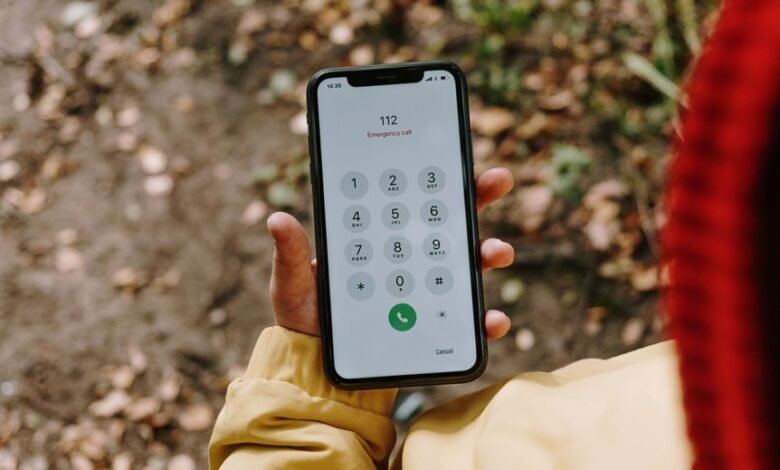
A phone owner search involves tracing numbers to verify who is behind a call, using verifiable signals and lawful sources. It emphasizes consent, data provenance, and audit trails to prevent misuse. Analysts assess intent via contextual metadata and call patterns while maintaining privacy safeguards. The list 6265697239, 8475581255, 361-371-3430, 9034586845, 2044801621, 4236623385, 935953507, 1-888-892-2253, 8886536085, and 716-281-2758 serves as a case study for balancing accuracy with compliance, yet unanswered questions remain about scope and limits.
What Is a Phone Owner Search and Why It Matters
A phone owner search is a targeted inquiry to identify the individual to whom a mobile device belongs, typically using data from carrier records, device identifiers, or onboarding information. The practice aligns with investigative precision, assessing reliability and privacy implications, and avoiding overreach. It highlights unrelated topics and off topic ideas as potential confounders, yet remains focused on verifiable signals for legitimate purposes.
How to Identify Caller Intent Behind Those Numbers
To identify caller intent behind numbers, analysts rely on a combination of behavioral signals, contextual metadata, and caller history to infer motive, purpose, and urgency. By triangulating call patterns, reply rates, and timing, they assess likelihood of legitimate outreach versus scam.
This approach emphasizes data legality and privacy boundaries while distinguishing genuine requests from deceptive or intrusive probing.
Caller intent remains a probabilistic assessment.
Tools and Tactics for Safe, Legal Phone Tracing
How can investigators balance efficacy with ethics when tracing a phone number? The section analyzes tools and tactics for safe, legal phone tracing, emphasizing disciplined methodologies. It covers compliant data sources, verification steps, and documented procedures that respect legal boundaries, privacy safeguards, and ethical guidelines. Results hinge on transparent protocols, audit trails, and reliance on reputable registries rather than ad hoc sleuthing.
Privacy Protections and Best Practices for Your Search Journey
Privacy protections frame the searching process as a critical boundary condition for effectiveness.
The analysis emphasizes privacy protections as foundational, shaping data access, consent, and trace methodologies.
Best practices emerge from transparency, minimal data exposure, and verifiable sourcing.
Attaining accurate caller intent relies on safe tracing, robust audits, and compliance, balancing freedom with accountability in pursuit of reliable, ethically sound results.
Frequently Asked Questions
Can These Numbers Be Traced Without Consent Legally?
Yes, but only through legal procedures; otherwise, tracing without consent violates owner privacy and applicable law. Informed frameworks govern data requests, investigatory warrants, and strict disclosure limits, ensuring accountability while balancing lawful authority with individual rights.
What Constitutes Probable Cause for a Trace?
Probable cause presents persuasive premises, prompting plausible suspicion of criminal activity; probable cause justifies seeking evidence through legal traces, with specificity, contemporaneous corroboration, and credible sources, ensuring due process while protecting individual rights and public safety.
How Long Does a Typical Phone Trace Take?
A typical phone trace duration varies; analysts emphasize rapid collection to preserve data integrity, yet legal processes constrain pace. Data privacy and jurisdictional limits shape timing, with procedural steps potentially extending timelines for sensitive or cross-border investigations.
Are There Costs Associated With Advanced Traces?
Costs and privacy vary; advanced traces incur fees, while legal steps and consent constrain pricing. An anecdote: a researcher weighs costs vs privacy, revealing that consent vs legality governs access, not merely budget, shaping responsible tracing practices.
What Errors Commonly Occur in Owner Searches?
Common errors in owner searches include incomplete data, mismatched identifiers, and outdated records, leading to inaccurate results. Privacy concerns and consent requirements justify rigorous verification, ensuring compliance and minimizing unauthorized exposure while maintaining analytical integrity.
Conclusion
Conclusion: A privacy-first, legally compliant phone owner search relies on verifiable signals, documented provenance, and transparent audit trails to avoid overreach. Analysts weigh contextual metadata and call patterns, prioritizing consent and regulatory adherence. While the field is data-driven, clear governance and ethical boundaries remain essential. Anachronism: like a dial-up modem in a world of instant analytics, rigorous standards still ensure trustworthy results.