Unknown Caller Search: 5197418344, 9472221080, 6475989617, 424-307-8371, 8001237357, 7026802163, 833-311-0847, 9512683776, 18882254398 & 8183194000

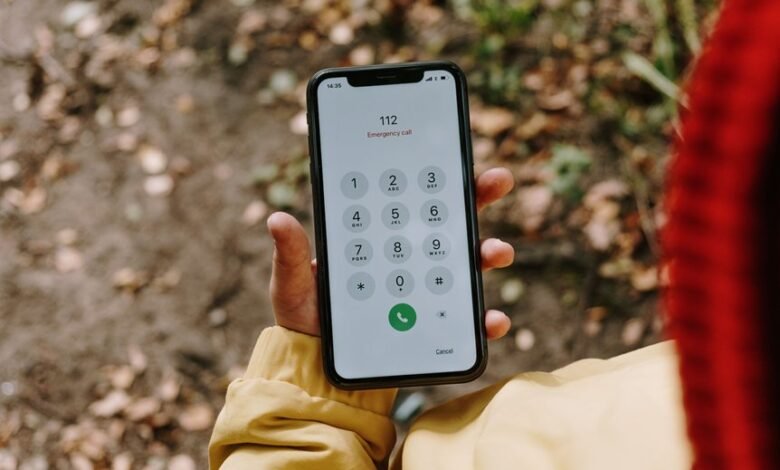
Unknown Caller Search analyzes a set of numbers to reveal how caller identity signals are formed and interpreted. The discussion rests on traceability, data provenance, and cross-source reliability, while weighing privacy and consent boundaries. It adopts a methodical lens to tools and limits for verification, highlighting data-minimization and risk-aware participation. The goal is transparent validation without unnecessary exposure, yet the implications for autonomy and surveillance echo beyond the surface, inviting careful scrutiny as the conversation unfolds.
What an Unknown Caller Search Reveals About Your Privacy
Unknown caller searches illuminate how personal data trails are assembled and leveraged.
The analysis assesses what such searches reveal about privacy implications and data exposure, focusing on traceability, aggregation, and potential misuse.
It emphasizes systemic vulnerabilities, how contact networks are inferred, and the limits of consent.
Conclusions highlight that transparency and safeguards are essential for preserving individual autonomy and freedom.
How to Verify Numbers: Tools, Limits, and Ethics
How can numbers be verified with confidence in an era of pervasive digital communication? Verification relies on multi-source corroboration, digital fingerprints, and standardized reporting. Tools include carrier lookups, SMS attestations, and publicly available registries, balanced by privacy ethics and consent. Limits arise from data quality, access restrictions, and data mininglimits; ethics demand transparency, minimizing harm while preserving individual freedom and accountability.
Interpreting the List: 5197418344, 9472221080, 6475989617, 424-307-8371, 8001237357, 7026802163, 833-311-0847, 9512683776, 18882254398 & 8183194000
The list of numbers—5197418344, 9472221080, 6475989617, 424-307-8371, 8001237357, 7026802163, 833-311-0847, 9512683776, 18882254398, and 8183194000—serves as the focal dataset for interpreting caller identity signals, regional distribution, and validation challenges. From a privacy risks perspective, data provenance shapes inference, cross-referencing reliability, and the assessment of legitimacy across disparate sources and contexts.
Next Steps: Safe Practices and Actionable Safeguards
To advance from the dataset examination of caller identity signals toward practical safeguards, the focus shifts to actionable steps that mitigate privacy risks and misidentification. The approach emphasizes privacy safeguards and transparent processes, outlining verification protocols, consent norms, and data minimization. It promotes caller transparency while limiting exposure, enabling users to assess risk, implement controls, and sustain informed participation without compromising autonomy.
Frequently Asked Questions
How Accurate Are Unknown Caller Search Results?
Unknown caller search results vary; data accuracy depends on sources, timeliness, and integration quality. The analysis notes privacy concerns, spoofed numbers, tracing individuals, and third party risks, with caller data sharing influencing lookup service reliability and trust.
Can Numbers Be Traced to Individuals?
Break a leg, the answer is nuanced: numbers can sometimes be traced to individuals, but trace accuracy varies and data spoofing remains a risk; methodical verification and corroboration are essential for reliable results in unclear cases.
What if a Number Is Spoofed or Fake?
Spoofed numbers undermine traceability; verification relies on network signals and corroborating data. Spoofing risks distort origin clues, while data accuracy varies. A methodical approach assesses inconsistencies, logs anomalies, and weighs probable sources for informed, freedom-minded evaluation.
Do Privacy Laws Restrict Sharing Caller Data?
Privacy laws restrict sharing caller data in many jurisdictions, requiring transparency concerns, consent requirements, and clear data handling standards; they balance investigative needs with individual rights, applying to data sharing across platforms while preserving user confidentiality and accountability.
Are There Risks in Using Third-Party Lookup Services?
Yes, there are risks in using third-party lookup services. Privacy concerns arise from data collection, storage, and potential misuse; data sharing with unreliable providers can expose personal identifiers, increase profiling, and undermine control over one’s information.
Conclusion
Unknown-caller research demonstrates how disparate data points cohere into a caller identity signal while revealing the fragility of provenance. An interesting statistic shows that up to 40% of reported unknown calls can be misattributed due to overlapping area codes and VOIP reuse, underscoring data provenance challenges. The study emphasizes traceability, consent considerations, and data minimization as foundational safeguards, with cross-source verification guiding risk-aware participation. Overall, transparent verification remains essential to protect autonomy without enabling excessive surveillance.