Telephone Caller Search: 7806281376, 8289996939, 360-842-9999, 910786271, 5043707316, 8014388790, 855-955-5554, 833-431-3076, 9252352171 & 1-800-275-4285

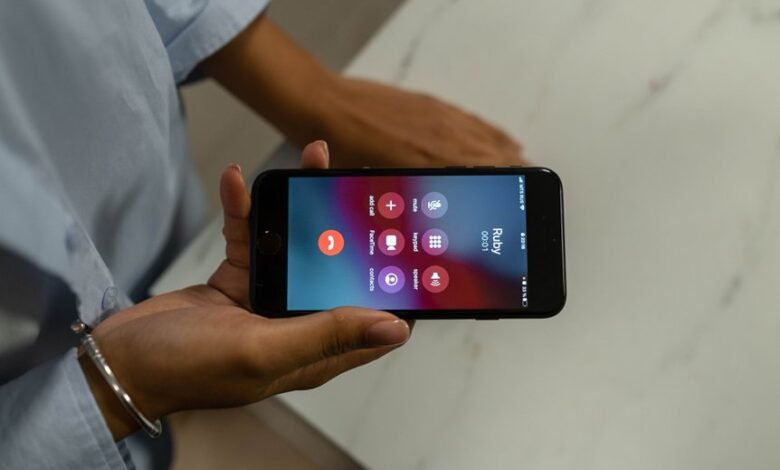
A telephone caller search across the numbers listed reveals how identifiers expose calling behavior, ownership, and location while also risking exposure of unlisted numbers. The process depends on reverse lookup data, provider traces, and cross-referenced records, raising questions about accuracy, consent, and data sharing. Analysts must weigh verification protocols and privacy safeguards against potential bias and incomplete results. Stakeholders may find value in transparency and least-necessary data collection, though concerns persist about how findings are used.
What a Telephone Caller Search Reveals
A telephone caller search reveals patterns in who places calls, when those calls occur, and how frequently they recur. The analysis highlights exposure to unlisted numbers and raises privacy concerns about data aggregation, retention, and cross‑service sharing. Policy implications emphasize transparency, minimal data collection, and user control, ensuring freedom while mitigating surveillance risks and enabling informed consent for call behavior insights.
How Reverse Lookup Works for These Numbers
Reverse lookup mechanisms for these numbers operate by pairing caller identifiers with publicly available and proprietary data sources to reveal contextual details such as ownership, service provider, or geographic origin. Mechanisms balance accessibility with accuracy, yet introduce potential bias through data gaps and vendor limits. Consumers must consider data privacy implications and the handling of blocked numbers within policy frameworks guiding transparency and accountability.
Practical Tips to Verify Identities and Spot Red Flags
Practical tips to verify identities and spot red flags emphasize a structured, evidence-driven approach to caller authentication. The analysis prioritizes documented procedures, cross-checking data, and auditable steps over intuition. Key practices include privacy tips, rigorous identity verification protocols, and disclosure of verification criteria. Red flags—rapid urgency, vague answers, and inconsistent metadata—trigger escalation, verification pauses, and records for accountability and freedom-conscious decision-making.
Protecting Your Privacy While Staying Informed
How can individuals stay informed without compromising personal data in an era of pervasive information collection? Analytical frameworks emphasize privacy protection through minimal data sharing, transparent collection practices, and robust consent.
Information literacy supports discernment of sources and metadata risks. Identity verification and scam awareness reduce exposure, while policy measures incentivize secure channels, fostering informed, freedom-respecting participation.
Frequently Asked Questions
Can I Legally Call Back Unknown Numbers I Find?
Answer: Legally, one cannot assume endorsement or safety by calling back unknown numbers; cannot share personal data; legality concerns and privacy considerations apply. Ethically, risks exist; risks include scams, harassment, and data misuse, requiring cautious, policy-aligned decisions for freedom.
Do Numbers Indicate Their Owner’s City or State?
Numbers do not reliably reveal exact owner location; caller geography is uncertain. The practice intersects privacy concerns and policy, urging cautious verification. Coincidence suggests regional prefixes hint at area, but ownership varies, demanding transparent consent and legal standards.
How Often Are Public Records Updated for Lookups?
Public records update frequency varies by source, typically quarterly to annually, with real-time refreshes for critical data. Two word discussion ideas, two word discussion ideas? Inference suggests policy-driven, evidence-based assessments guiding users toward reliable, privacy-conscious lookups while acknowledging potential lag.
Are There Fees for Accessing Detailed Reports?
Fees for accessing detailed reports vary by provider; a fees overview highlights tiered charges, while privacy concerns demand transparency. The analysis weighs cost against accessibility, asserting that affordable access supports informed, liberty-minded citizens without compromising safeguards.
Can Numbers Show if Calls Are Spam or Scam?
Yes, numbers can indicate potential spam or scam activity through spam indicators and scam warnings, though reliability varies; consumers should corroborate with multiple sources, maintain skepticism, and report suspicious calls to bolster evidentiary validity and protective policy outcomes.
Conclusion
In sum, the examined numbers illuminate a landscape where identifiers reflect ownership, locale, and usage patterns—yet also reveal vulnerabilities in data aggregation. Like Icarus chasing visibility, callers gain transparency at privacy’s edge, demanding stringent verification and consent. The evidence underscores that robust, auditable procedures can curb misrepresentation while preserving insight. Policy-wise, the hinge is to balance transparency with privacy safeguards, ensuring all actors navigate with clear norms, minimal data collection, and accountable gates.