Telephone Caller Search: 5193401146, 8664649480, 6193543046, 7806708528, 6147320721, 6626809233, 385-261-7108, 6822675264, 948190027 & 4245595786

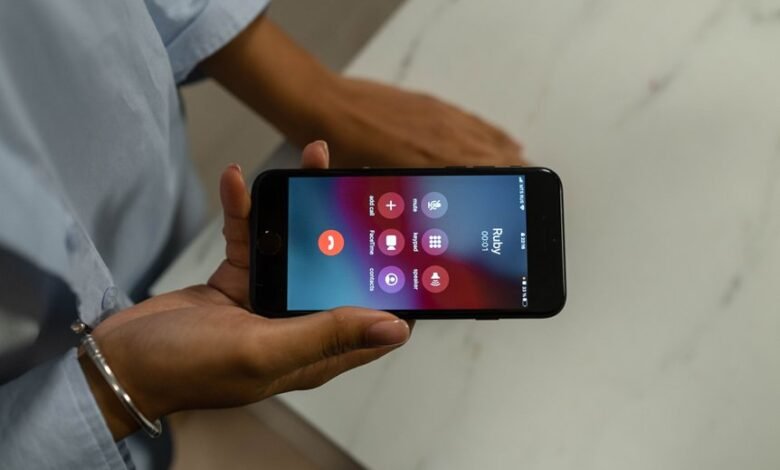
Telephone Caller Search involves assessing numbers such as 5193401146 and 8664649480 to determine origin, legitimacy, and potential spoofing. This requires cross-referencing public and private databases, reviewing carrier records, and applying reverse lookup tools. Accuracy hinges on standardized procedures and documentation to distinguish genuine contacts from red flags. The discussion will consider verification steps and data privacy, offering a framework for safer communication, with critical points that invite further scrutiny.
What Is Telephone Caller Search and Why It Matters
Telephone caller search refers to the process of identifying the origin of incoming calls using available data such as phone numbers, call metadata, and public or private databases. It offers situational awareness and accountability for communications. The practice highlights caller identification as a core outcome, while acknowledging spoofing risks that can undermine trust and require robust verification, documentation, and ethical safeguards.
How to Identify Legitimate Numbers vs. Red Flags
Legitimate numbers can be distinguished from red flags by examining source credibility, consistency, and contextual cues.
In practice, caller verification procedures should be standardized, and records cross-checked against trusted databases.
Red flags include mismatched caller IDs, pressure tactics, and inconsistent metadata.
Spoofing awareness and cautious engagement reduce risk, empowering freedom to communicate confidently without surrendering trust or privacy.
Tools and Data Sources for Tracing Numbers and Spoofing
Tools and data sources for tracing numbers and spoofing are essential components in verifying caller information and identifying deceptive activity.
The discussion centers on Caller tracing methodologies, public registries, carrier databases, and reverse lookup services.
Spoofing indicators include mismatched metadata, Caller ID anomalies, and timing inconsistencies.
Researchers emphasize data integrity, cross-referencing, and transparency to discern legitimate calls from fraud.
Practical Steps to Verify Callers and Stay Protected
Organizations and individuals can reduce risk by adopting a structured, stepwise process to verify callers and protect themselves from deception. Practical steps include caller verification, cross-checking with known data, and documenting interactions. Look for spoofing indicators, verify caller identity through independent sources, and avoid sharing sensitive information prematurely. Maintain records, enable call-blocking features, and educate stakeholders about ongoing risk and protection strategies.
Frequently Asked Questions
Can Call History Reveal Who Owns the Number?
Caller ownership is not reliably revealed by call history alone; call traceability may indicate patterns or sources, but ownership requires records from telecom providers or legal processes. The list aids analysis, not definitive ownership.
Are There Any Free Services for Caller Lookup?
Coincidence threads curiosity: free services exist, but reliability varies; caller lookup can reveal some details. The detached observer notes potential privacy limits, urging caution, verification, and awareness of data accuracy when using free caller lookup options.
How Accurate Are Reverse Lookup Results?
Reverse lookup accuracy varies; results may be approximate and occasionally outdated. Accuracy limits arise from data freshness and source coverage. Privacy implications arise when sharing or storing numbers, prompting cautious use and consent-conscious disclosure for freedom-minded individuals.
What Legal Limits Exist on Tracing Calls?
Legal limits govern tracing calls, balancing caller privacy with tracing legality. Data retention, reverse lookup accuracy, and spoofing detection frame these boundaries, ensuring lawful use while protecting individuals. Freedom-conscious guidelines constrain misuse and safeguard legitimate investigative needs.
Can Spoofed Numbers Be Definitively Identified?
Spoofed numbers cannot be identified with absolute certainty in all cases. Spoofing limitations exist, and trace legality varies by jurisdiction; investigators may locate sources only when technical cooperation or substantial evidence is available, limiting definitive attribution in many scenarios.
Conclusion
In sum, telephone caller search acts as a vigilant lighthouse through foggy networks of numbers. By cross-referencing public records, carriers, and reverse lookups, it trims ambiguity and reveals intent. Verified data, metadata checks, and spoofing awareness keep stakeholders safer, enabling swift red-flag recognition while documenting findings with discipline. The result is clarity emerging from complexity—transparent, precise, and ready to guide prudent responses.