Find Hidden Caller Information Through Number Records: 25198655, 964830995, 640010198, 5566519007, 91177250, 40314606, 626521162, 634457222, 690688812 & 916259348

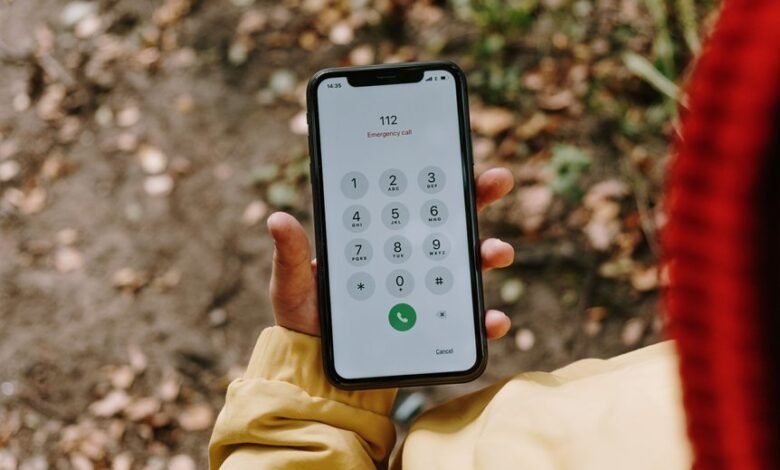
The discussion centers on uncovering hidden caller information from a set of numbers: 25198655, 964830995, 640010198, 5566519007, 91177250, 40314606, 626521162, 634457222, 690688812, and 916259348. It adopts a structured, privacy-conscious approach that weighs data freshness, provenance, and potential red flags such as spoofing. The goal is to establish verification workflows and controls, ensuring accountability while noting that initial findings may prompt further scrutiny or verification steps. What emerges next will shape the investigative path.
What Hidden Caller Information Reveals About Each Number
Hidden caller information can illuminate patterns and contexts that raw numbers alone cannot.
The analysis examines hidden caller signals embedded in number records, revealing operational traces, intervals, and affiliations.
It assesses privacy implications and potential biases in data capture, emphasizing investigative ethics.
Each number’s metadata contributes to a structured portrait, enabling disciplined scrutiny while guarding rights.
Consequently, discernment governs interpretation and application.
How to Verify Numbers: Carrier, Origin, and Reachability
To verify a number’s carrier, origin, and reachability, a structured approach is essential.
Verification methods should be objective, cross-referencing carrier databases, regulatory records, and routing trails while noting data freshness.
Analysts assess risk indicators, such as incomplete metadata or conflicting geolocation signals, to gauge reliability and potential masking.
Documentation confirms provenance and supports informed, freedom-respecting decisions.
Spotting Red Flags: Duplicates, Spoofing, and Scam Indicators
In moving from verifying numbers to scrutinizing their behavior, the focus shifts to identifying red flags that indicate duplicates, spoofing, or scam activity. The analysis notes hidden caller patterns, mismatched origin data, and anomalous call timing as scam indicators. Duplicates spoofing emerge when repeated numbers masquerade as distinct sources, signaling potential fraud and warranting cautious, methodical verification.
Practical Tools and Next Steps for Safe Caller Investigation
Practical tools and next steps for safe caller investigation prioritize repeatable procedures and verifiable data sources. Analysts employ structured search protocols, cross-referencing public records, metadata, and carrier logs while maintaining privacy safeguards. Unknown topic, unrelated content is minimized by documenting each test and result.
Next steps include reproducible workflows, audit trails, and continuous validation to ensure accountable, transparent outcomes.
Frequently Asked Questions
Can These Numbers Be Traced to a Specific Person?
Yes, they cannot be traced to a specific person without legal process; data sharing limits apply. Privacy implications and caller anonymization considerations shape outcomes, while public exposure risks caution investigators; balanced analysis favors freedom with safeguards against misuse.
Do These Numbers Appear in Data Breach Caches?
Asking whether these numbers appear in data breach caches yields inconclusive results; the assessment requires verification across multiple breach repositories. Two word discussion ideas: privacy ethics, data provenance, guiding a methodical, freedom-leaning evaluation.
Are There International Equivalents for These Numbers?
International equivalents for these numbers exist in various formats, but accuracy hinges on jurisdiction-specific numbering plans and privacy regimes; this raises privacy risks while emphasizing data provenance, as cross-border traceability alters accountability and consent standards for researchers.
How Often Do Legitimate Businesses Use Similar Prefixes?
Similar to a cautious librarian, the answer unfolds with precision. Prefix usage varies, but legitimate businesses regularly employ standardized prefixes; caller tracing remains common in compliance, risk assessment, and fraud prevention, enabling disciplined, freedom-respecting investigations into rapid caller identity.
What Privacy Risks Arise From Sharing Caller Data Publicly?
Privacy leakage arises when caller data is publicly shared, enabling profiling and unsolicited contact. Data minimization reduces exposure, but once data exists publicly, access persists; the act matters more than intent, shaping trust and autonomy.
Conclusion
In summary, the audit treats each number as a data point within a broader provenance matrix, evaluating freshness, carrier traces, and geolocation consistency. The process emphasizes reproducibility, documenting steps to verify origin, reachability, and spoof indicators while flagging anomalies like duplicates or mismatched metadata. A methodical, privacy-preserving approach—driven by cross-referenced records and rigorous validation—acts as a compass, guiding investigators through uncertainty with steady, measured precision. Like a metronome, consistency underpins trustworthy conclusions.