Caller Identity Lookup: 4055638384, 18009220204, 503-489-4053, 2122795139, 5173181159, 9313429660, 7654422056, 815 753 6030, 502-822-7768 & 4043853637

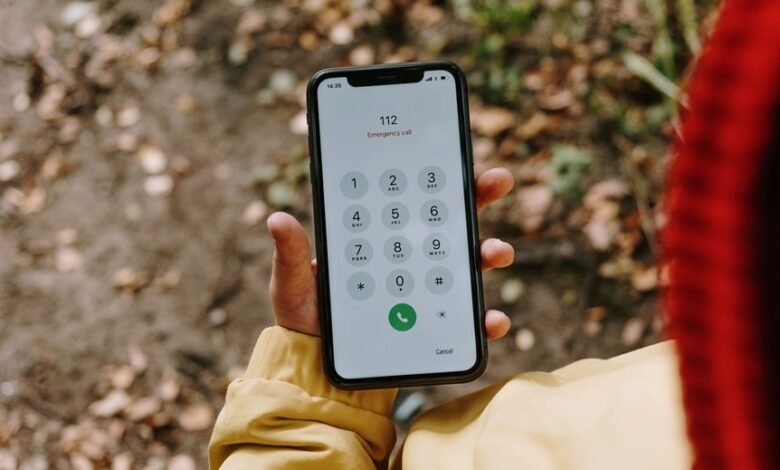
The piece examines Caller Identity Lookup for a set of numbers, evaluating how carrier data, public registries, and routing metadata are used to verify legitimacy and detect spoofing. It adopts a precise, skeptical lens, noting that accuracy depends on data freshness and cross-validation. It questions transparency, consent, and cost, while outlining practical steps and criteria for choosing a service. The discussion ends with an unresolved tension that invites further consideration of reliability and autonomy.
What Caller Identity Lookup Is and Why It Matters
Caller identity lookup is a systematic process for determining the source of a phone call by matching numbers, metadata, and network signals to trusted registries, carriers, or corroborating data.
The practice emphasizes Caller Identity and Lookup Accuracy while tolerating imperfect data.
Spoofing Detection remains central, yet Privacy Costs persist, demanding scrutiny, proportional safeguards, and transparent disclosure to users seeking autonomy and informed consent.
How Lookup Data Is Collected and What It Means for Accuracy
Data for lookup is gathered from multiple sources, including carrier databases, public registries, metadata from routing signals, and corroborating signals from network observers.
Data accuracy depends on source freshness, cross-validation, and timeliness. What data sources are trusted varies, impacting privacy implications and cost considerations.
Methodical scrutiny reduces false positives, but opaque pipelines may erode user autonomy and raise accountability questions.
Spotting Spoofing and Verifying Unknown Numbers: Practical Steps
Spotting spoofed calls and verifying unknown numbers require a structured, evidence-based approach: start with a clear assessment of each incoming number, then apply verifiable checks to confirm legitimacy.
The analysis remains cautious, refusing assumptions.
Methods include cross-referencing public records, checking call metadata, and evaluating caller consistency.
The goal focuses on spotting spoofing and verifying unknowns without reliance on unverified sources.
Choosing a Lookup Service: Criteria, Privacy, and Costs
Choosing a lookup service requires a disciplined evaluation of criteria, privacy safeguards, and cost structures; this assessment should be conducted with skepticism toward marketing claims and an emphasis on verifiable capabilities.
The method rests on reliable databases and transparent privacy considerations, excluding hidden terms. Objective benchmarks, trackable update frequency, and independent audits guide selection for a freedom-oriented, privacy-conscious audience.
Frequently Asked Questions
Can I Opt Out of Data Collection for Lookup Services?
Yes, opt-out options exist in some services; however, retention policies and data handling vary. The approach is deliberate: review terms, request deletion where possible, and monitor data practices to safeguard autonomy and transparency. Skeptical, precise.
How Long Is Caller Data Retained by Lookup Providers?
“Turn the tide.” The statement is precise: data retention durations vary by provider and jurisdiction; typically weeks to years. The skeptic notes no universal standard. Opt out options exist, but enforcement and scope differ across services and regions.
Do Lookups Reveal Voicemail or Internal Caller IDS?
Voicemail exposure is unlikely; lookups generally reveal caller numbers, not voicemails or internal identifiers. However, skepticism remains: data handling varies by provider, and residual metadata could indirectly reveal internal identifiers through aggregation and cross-referencing.
Are There Regional Restrictions on Number Lookups?
Regional restrictions exist; lookup limitations vary by jurisdiction, impacting data privacy, retention periods, and international accuracy. Voicemail exposure may occur if records are stored externally, inviting skepticism about freedom to access information despite proclaimed safeguards.
How Accurate Are International Phone Number Results?
How accurate are international results? They vary by source and verification steps; no claim is absolute. The analysis emphasizes caller privacy and data provenance, presenting a cautious, methodical evaluation suitable for audiences prioritizing liberty and accountability.
Conclusion
The conclusion, while cautious, mirrors a cautious sentinel at the gate. Like Icarus glimpsing the sun from a safe ledger, users glimpse truth only through layered signals—carrier flags, registries, routing traces—never a single beacon. The wake is clear: data freshness, cross-validation, and consent guard privacy; gaps invite misdirection. In this evolving theatre, prudent scholars demand audits and independent verification, lest confidence melt into false positives and hollow securities.