Caller Identity Lookup: 305-725-6078, 48607913587, 2516991485, (888) 598-3693, 6097335047, 3463954320, 832-982-1428, 8889346489, 800-220-1614 & 352-415-4909

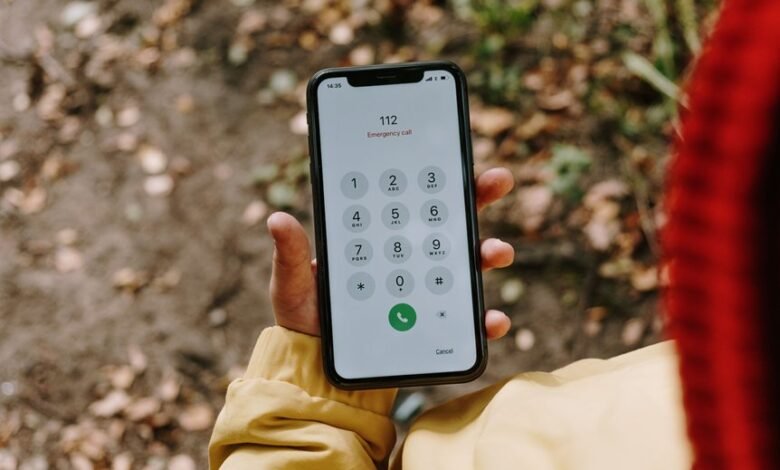
Caller identity lookup for the numbers listed—305-725-6078, 48607913587, 2516991485, (888) 598-3693, 6097335047, 3463954320, 832-982-1428, 8889346489, 800-220-1614, and 352-415-4909—invites scrutiny of verification methods, data consent, and ethical safeguards. The goal is transparency and trust while guarding privacy and against impersonation. As audiences consider tools, procedures, and red flags, questions arise about the balance between real-time insight and sensitive data exposure, prompting a closer look beyond initial assurances.
What Is Caller Identity Lookup and Why It Matters
Caller identity lookup is the process of determining the originator of a phone call by matching incoming numbers to verified records. It provides transparency for communications, enabling accountability and informed choices. By confirming caller identity, organizations support trust, reduce fraud, and enhance safety. Key concepts include caller identity integrity and phone verification, ensuring accurate attribution while respecting privacy and ethical data use.
How to Verify Numbers: Tools and Methods You Can Trust
To verify numbers reliably, practitioners rely on a mix of trusted tools and established methods that assess provenance, accuracy, and timeliness. Caller identity insights emerge from analytics, data enrichment, and call tracing. Verification methods include cross-checking databases and user reports, while monitoring suspicious flags. Ethical practices emphasize transparency, privacy, and consent, enabling informed decisions without sensationalism or misrepresentation.
Red Flags to Watch for in Suspicious Calls and Messages
Red flags in suspicious calls and messages can often be subtle yet telling, signaling potential fraud, impersonation, or data exfiltration attempts.
The piece enumerates red flags such as pressure tactics, requests for personal data, or urgent wire transfers.
Verification tools—caller ID checks, multi-factor authentication prompts, and secure databases—aid discernment, promoting safer communication while preserving user autonomy and freedom from manipulation.
Real-Time Steps to Uncover Who’s Behind a Call
Real-time identification of a caller involves systematic checks that reveal provenance without compromising user safety. The process emphasizes Caller identification and Verification techniques that are transparent and privacy-respecting. Steps include metadata review, caller ID verification, carrier-assisted traces, and consent-based data requests. Ethical safeguards and lawful boundaries guide each action, ensuring freedom while preventing abuse and preserving user autonomy.
Frequently Asked Questions
Are These Numbers Safe to Answer in My Region?
Answer: It depends on regional regulations and caller verification; generally exercise caution. The landscape shows ongoing spoofing prevalence, so assume uncertainty and implement prudent practices before answering. Caller ID safety hinges on local protections and awareness.
How Often Do Spoofed Numbers Appear Today?
Symbolic in nature, the prevalence of spoofing fluctuates with evolving tech and policies, but generally remains high; it challenges identity lookup ethics while urging safeguards, transparency, and responsible reporting, guiding free-minded users toward informed, vigilant choices.
Can I Trace a Call Without Legal Permission?
No, tracing a call without proper authorization is typically illegal and raises serious privacy concerns. The traceability depends on jurisdiction; awareness of trace legality and spoofing risks should guide actions, emphasizing lawful channels and ethical, consent-based practices.
Do Caller ID Apps Protect Against Spoofing?
Caller ID spoofing safeguards exist but are imperfect; some apps warn or filter suspicious calls. Identity lookup ethics guide developers and users toward transparency, reducing harm while respecting privacy and freedom to choose legitimate communication tools.
What Privacy Risks Come With Identity Lookup Tools?
Privacy risks arise from identity lookup tools, as data exposure may occur through unmatched records and insecure sharing. Some argue tools ensure transparency, yet caller ID spoofing and regulatory gaps threaten privacy and ethical use, demanding vigilant safeguards and accountability.
Conclusion
In this era of digital contact, caller identity lookup offers a means to verify who initiates a call, reducing impersonation and fraud. By combining analytics, data enrichment, and cross-database checks, it enables real-time assessments with consent-based request practices and ethical safeguards. Though no system is perfect, consistent verification fosters trust and accountability, empowering users to engage more confidently while remaining vigilant for red flags and suspicious patterns that may signal risk behind the number.