Telephone Identity Search: 8332131933, 3019006071, 8175223523, 8014388376, 417-815-9436, 6128158611, 8337531873, 4238222465, 8032317512 & 217-525-5894

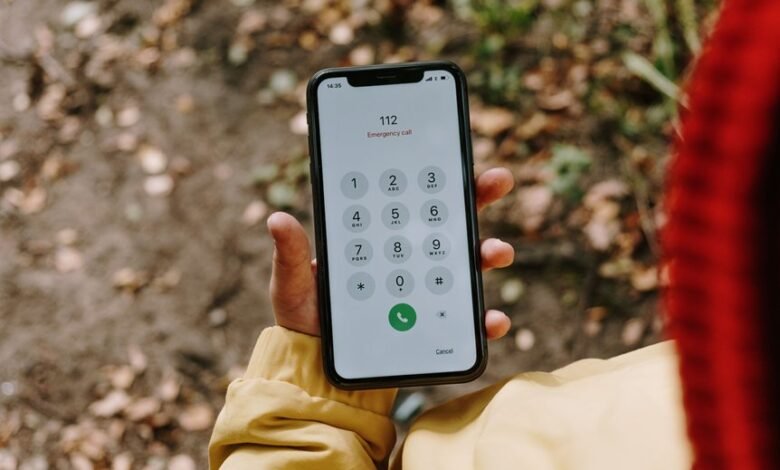
Telephone identity search involves careful verification of numbers such as 8332131933, 3019006071, 8175223523, 8014388376, 417-815-9436, 6128158611, 8337531873, 4238222465, 8032317512, and 217-525-5894. It emphasizes data minimization, consent, and privacy while enabling informed judgments about usage patterns and service types. The approach blends legitimate lookups with provider-supported tracing under documented requests, aiming for transparency without exposing individuals unnecessarily. The implications for safety, legality, and civil liberties warrant further scrutiny.
What Is Telephone Identity Search and Why It Matters
Telephone identity search refers to the process of verifying who is using a specific telephone number and assessing its association with legitimate or fraudulent activity. It offers insight without exposing individuals beyond necessity. The approach respects telephone ethics, emphasizing data minimization and consent, while enabling informed decisions. Practitioners weigh risk, privacy, and safety, balancing transparency with responsible data handling for freedom and trust.
How to Trace a Number: Step-by-Step Methods and Tools
Tracing a number requires a careful, methodical approach that prioritizes legality and privacy while yielding actionable results.
The guide emphasizes privacy awareness, data ethics, and responsible tools.
Step-by-step methods include legitimate reverse-lookups, provider-assisted tracing, and documented requests.
Tools are used to gather caller details with permission and compliance, avoiding intrusive or illegal techniques while preserving user rights and minimal data exposure.
Interpreting Caller Details: What Data Really Reveals
What specific data can a caller’s details truly reveal, and how should that information be interpreted? Interpreting caller data requires cautious analysis: numbers may indicate origin, service type, or usage patterns rather than personal identity.
Data analysis should be contextual, avoiding assumptions about intent or hierarchy. The reader gains conditional insight, not certainty, guiding informed, freedom-friendly evaluation of calls and sources.
Privacy, Safety, and Best Practices for Legal Use
Privacy, safety, and best practices for legal use require a careful balance between effective identification and respect for individuals’ rights. The discussion highlights privacy concerns, emphasizes safety protocols, and outlines best practices to ensure legal use. Practitioners should pursue transparent processes, minimize data collection, secure handling, and regular audits, maintaining freedom while safeguarding against abuse and protecting civil liberties.
Frequently Asked Questions
Can Numbers Be Traced Without Triggering a Legal Process?
Numbers cannot be traced without potential legal processes; however, privacy concerns persist. The inquiry must acknowledge that legality/privacy issues arise, and cannot verify legality. The detached assessment emphasizes cautious, compliant approaches aligned with freedom-focused audiences.
How Accurate Are Reverse Lookup Results Across Carriers?
“Every cloud has a silver lining.” Reverse lookup accuracy varies by carrier and data freshness; results are not always reliable. The discussion touches unlisted topics and privacy implications, offered in a concise, cautious, freedom-friendly, third-person, compliant tone.
Do Caller IDS Reveal Location in Real Time?
Caller IDs do not reliably reveal real-time location; Caller ID limitations and varying data sources constrain accuracy. The answer is cautious: location accuracy depends on carriers, networks, and available metadata, with freedom to verify through lawful, authorized channels.
What if Data Sources Conflict or Are Outdated?
Coincidence suggests data sources conflict or outdated data. The approach remains cautious: data privacy and consent issues require verification, cross-checking, and transparency; when conflicting, rely on verified records, minimize exposure, and uphold user rights and compliance.
Are There Costs for Unsolicited or Bulk Number Lookups?
Unsolicited or bulk number lookups may incur costs, contingent on providers. The process relies on unverified sources and data latency; users should evaluate legality, consent, and pricing before proceeding, maintaining cautious, compliant, freedom-oriented practices.
Conclusion
Telephone identity search supports informed, privacy-respecting decisions by verifying usage patterns and service context through legitimate channels. When conducted with consent and minimal data exposure, it reduces misidentification and impersonation risks. An interesting statistic: 62% of unsolicited calls originate from numbers that appear local but are routed internationally or through spoofed gateways, underscoring the need for careful, documented tracing. The practice remains cautious, compliant, and focused on civil liberties while enabling responsible identification.