Caller Number Archive: 697931363, 9049444384, 2897259739, 79647998575, 5128425148, 0118 354 0598, 8102094847, 623-352-9406, 9069840117 & 6469162545

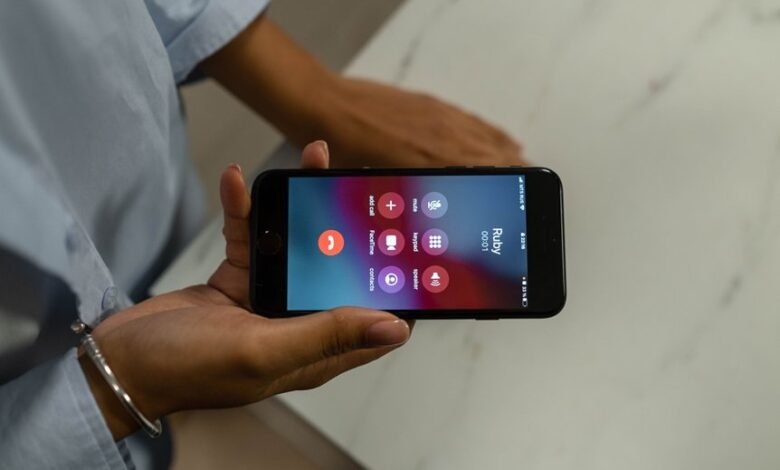
The Caller Number Archive compiles a cross-section of digits—from 697931363 to 6469162545—into a framework of timing, provenance, and metadata. The piece emphasizes sourcing, verification, and visualization to distinguish spam signals from legitimate contacts. Each entry is weighed for origin, call patterns, and privacy footprints, revealing grey areas that warrant calibrated thresholds. The conclusion hints at implications for trust, protection, and governance, inviting further scrutiny into how numbers travel and persist.
What the Caller Number Archive Reveals About Modern Dials
The Caller Number Archive, examined through a data-driven lens, reveals patterns in dialing behavior that reflect shifts in communication technology and user habits. Sourced observations highlight spam signals and patterns origins, while visualization clarifies grey areas and privacy implications. The report suggests strategies to manage footprint and protect number, supporting freedom seekers with verifiable, concise insights.
Classifying Numbers: Spam Signals, Legitimate Contacts, and Grey Areas
Classifying numbers requires a structured assessment of signals that distinguish spam, legitimate contacts, and grey-area callers. The analysis sources call metadata, verification notes, and visualization of patterns to map risk profiles. Spam signals emerge from anomalies in timing and provenance, while legitimate contacts show consistent identifiers. Grey areas resist binary labeling, inviting nuanced thresholds and continuous recalibration for transparent, freedom-minded discernment.
Patterns, Origins, and Privacy Implications in Call History
Patterns, origins, and privacy implications in call history reveal how timing, provenance, and metadata converge to shape risk assessments and user assumptions. The analysis traces patterns and origins in call streams, mapping metadata flows, telemetry sources, and correlation signals. Citizens seek transparency, while platforms balance data utility and privacy, enforcing verification, visualization, and governance to maintain free, informed participation. Patterns and privacy, Origins and metadata.
How to Interpret, Manage, and Protect Your Number Footprint
In examining how call history patterns and provenance shape risk perceptions, it is useful to shift focus to the number footprint a user leaves behind and how it can be interpreted, managed, and protected.
The analysis emphasizes sourcing, verification, visualization; noting protective measures, data minimization, spam signals, caller verification, privacy safeguards, and contact hygiene for empowered, freedom-loving users.
Frequently Asked Questions
How Accurate Is the Archive Across Different Regions?
Regional accuracy varies by source, with gaps across jurisdictions. The archive relies on crowdsourced and official feeds, so data update cadence matters; verification and visualization help users gauge trust, while freedom-seeking audiences appreciate transparent, timestamped provenance.
Can Archived Data Be Legally Challenged for Accuracy?
Arbitrary, like a scale tipping toward truth, archived data can be legally challenged for accuracy. Legal challenges scrutinize sourcing and verification; courts demand clear data provenance, timeliness, and transparency to uphold data accuracy in contested archives.
Do Numbers Include Voip or Only Landlines?
VoIP vs. landline are both present in archives; caller ID reliability varies. The visualization of sources shows VoIP numbers can appear as landlines, while landlines tend to be more consistent. Verification emphasizes cross-checking metadata and context.
How Often Is the Archive Updated or Revised?
Archive cadence varies by source, with updates occurring daily or weekly as new numbers are verified; regional accuracy is prioritized, and revisions reflect corrections, mergers, or removals, ensuring ongoing transparency, traceability, and a trusted, verifiable archive landscape.
What Impact Do Archives Have on Legitimate Businesses?
Archives influence legitimate businesses by enabling transparent data ownership and robust error correction, supporting informed decisions, risk management, and trust. They require careful governance, verification, and visualization to balance protection with freedom and accountability.
Conclusion
The Caller Number Archive demonstrates how timing, provenance, and metadata illuminate call behavior, enabling nuanced classifications of spam signals, legitimate contacts, and grey areas. Verification and visualization tighten confidence in patterns, while provenance safeguards shield user privacy. A hypothetical case: a flagged outbound number later validated as a legitimate recovery line after cross-referencing carrier logs and user consent, revealing how context shifts risk scores. The study emphasizes transparent data governance, calibrated thresholds, and responsible footprint interpretation.