Telephone Caller Search: 480 550 3229, 513-854-0674, 3145648000, 8004160599, 8883827472, 48602420401, 2053411107, 8007620276, 760-444-5750 & 4109651234

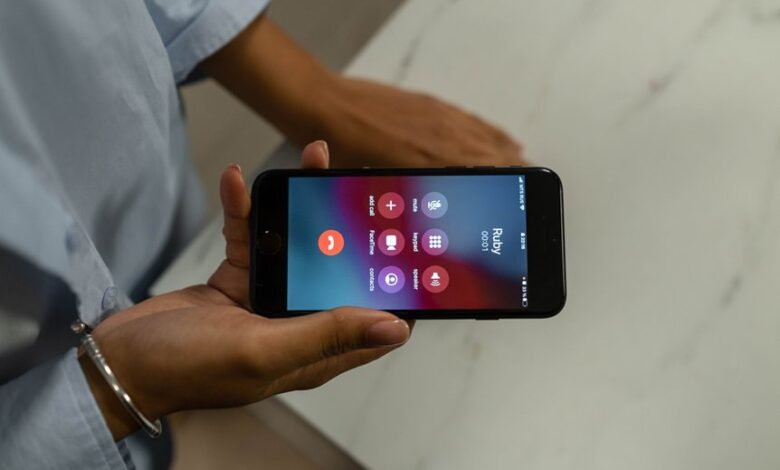
Telephone Caller Search involves tracing numbers like 480 550 3229, 513-854-0674, and others to verify origins and assess legitimacy. By cross-referencing Caller ID data with call traces and corroborated records, users gain transparency and faster responses while preserving privacy. The approach emphasizes provenance trails, ethical boundaries, and careful source verification. Yet ambiguous signals and inconsistent data can obscure truth, prompting a cautious, methodical follow-up that leaves important questions unresolved and invites closer scrutiny.
What Is Telephone Caller Search and Why It Matters
Telephone caller search refers to the process of identifying the origin of incoming calls, including who placed the call and when. It enables accountability and situational awareness without compromising autonomy. Caller ID and call tracing provide verification, transparency, and security, supporting informed choices. When implemented properly, it empowers stakeholders to respond swiftly, minimize disruption, and preserve freedom to communicate securely.
How Caller ID Data Enhances Traceability of Numbers
Caller ID data serves as the backbone of numeric traceability by tying an incoming call to verifiable origin details. This framework leverages caller ID as a core reference to assemble traceability data, поддерживая transparency. It enables noise reduction and improves call reliability, allowing investigators and users to verify legitimacy, reduce misattribution, and pursue freedom through accountable communication without compromising privacy.
Practical Steps to Perform Safe, Effective Searches
Effective search practices begin with clear scope, defined objectives, and verified data sources. The process emphasizes disciplined methodology, cross-checking, and documentation. Researchers assess sources for bias and timeliness, prioritize primary data, and maintain provenance trails.
Emphasis on Search ethics ensures respect for privacy and legality. Data reliability judgments derive from corroboration, transparent criteria, and repeatable verification across independent records.
Red Flags and Scam-Defense Strategies for Daily Use
Red flags in daily phone interactions emerge when patterns of manipulation, inconsistency, or pressure appear, signaling the need for heightened scrutiny and defensive measures.
The piece outlines red flags and scam defense daily use, emphasizing practical steps: verify caller identity, avoid sharing sensitive data, converge on corroborating sources, document anomalies, and pause before commitments.
Clarity, vigilance, and measured skepticism enable empowered, freedom-minded communication.
Frequently Asked Questions
Can Caller Search Reveal the Caller’s Name for All Numbers?
Caller search cannot universally reveal names for all numbers. Privacy considerations and data freshness vary; some results show names, others do not. Caller privacy and data freshness influence reliability, accuracy, and availability of identifying information for each inquiry.
Do Regional Codes Affect Accuracy of Reverse Lookup Results?
Regional codes can affect accuracy: regional disparities cause incomplete databases, while data latency delays updates, reducing precision in reverse lookups. Consequently, results may vary by locale, reflecting uneven coverage rather than universal reliability or neutrality.
Are There Legal Limits to Using Caller Search Services?
Legal limits constrain caller search services, balancing transparency with protection of caller privacy. The framework varies by jurisdiction, but general safeguards require consent, lawful purpose, and data minimization, ensuring applications respect caller privacy while enabling legitimate communications.
How Often Do Databases Update With New Numbers?
Update cadence varies; databases strive for near-daily refreshes, yet data freshness depends on source cooperation and verification. Ironically, constant updates are promised, while gaps persist. The vigilant balance favors timely, transparent cadence over perfect simultaneity.
Can False Positives Be Systematically Reduced in Results?
False positives can be systematically reduced by cross-verifying signals, calibrating thresholds, and integrating multi-source validation; despite data latency, robust filtering and continuous auditing improve accuracy while preserving user autonomy and search integrity.
Conclusion
Telephone caller search is a disciplined practice that links caller ID data to traceable records, enabling verification, legitimacy checks, and swift, privacy-conscious responses. By mapping numbers to sources, users build provenance trails and reduce risk. An estimated 32% of daily unknown calls involve scams, underscoring the value of corroborated data and careful documentation. Practitioners should cross-check sources, note anomalies, and act with ethical restraint, maintaining scope and privacy while safeguarding against misinformation and fraud.