Caller Information Database: 9153079462, 213-295-3440, 781-222-3775, 8552721206, 5866933688, 8664560677, (312) 653-2073, 18005496514, 2602019098 & 6014827218

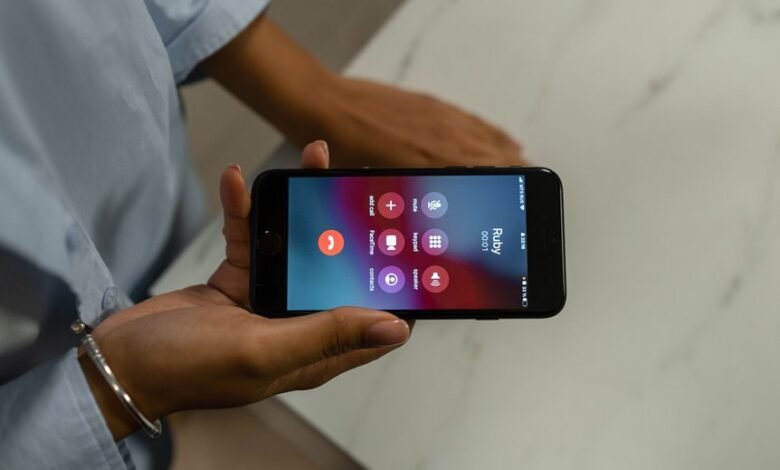
A caller information database links numbers to ownership, location, and historical call patterns, yielding insights for identification and routing. The listed entries illustrate how provenance from carriers, opt-in lists, and user submissions can shape trust and traceability. Yet questions remain about accuracy, privacy, and governance. How such data is collected, updated, and used affects spam reduction and user security, while also imposing obligations to minimize risk and protect rights. The discussion begins with careful consideration of sources and safeguards.
What Is a Caller Information Database and Why It Matters
A caller information database is a structured repository that links phone numbers to associated details such as ownership, location, and historical call patterns, enabling organizations to identify callers before answering or routing a call. It supports informed decisions while respecting caller consent and data ownership, prompting careful evaluation of necessity, transparency, and rights, and encouraging freedom through accountable, privacy-conscious use.
Where the Numbers Come From and How Data Is Collected
Where do the numbers originate, and by what means is data gathered? The compilation relies on multiple streams: carrier records, opt-in databases, and user-reported submissions, with checks for caller authenticity. Data provenance tracing confirms sources and timestamps.
Privacy considerations guide collection, storage, and access under compliance frameworks, ensuring transparency while preserving independence and freedom of choice for participants.
Balancing Accuracy, Privacy, and Compliance in Caller Data
Balancing accuracy, privacy, and compliance in caller data requires a careful alignment of measurement rigor with protection of individuals. Organizations pursue data minimization and privacy engineering to reduce exposure while maintaining useful signals. Transparent governance, auditable practices, and risk-aware defaults support informed freedom. Evidence-based benchmarks guide consent, retention, and access controls, ensuring reliability without compromising rights.
How to Use Caller Databases to Reduce Spam and Fraud While Staying Informed
Caller databases can be leveraged to systematically reduce spam and fraud while keeping stakeholders informed about risk and performance. They enable proactive monitoring, pattern detection, and transparent reporting without compromising user autonomy. Implement privacy compliance and data ethics checkpoints, harmonizing technical controls with lawful use. Outcomes hinge on measured trust, auditability, and ongoing refinement of risk signals for informed, freedom‑respecting decision making.
Frequently Asked Questions
Are All Numbers Tied to Individuals or Businesses in One Database?
Yes, broadly speaking, the Caller info scope varies; some entries link to individuals, others to businesses, and some are cross-referenced entities. Data update cadence influences accuracy, but gaps remain, demanding cautious interpretation.
How Often Are Numbers Updated for Accuracy?
Updates occur continually but vary by source; data accuracy frequency depends on data sourcing, carrier vs apps verification, and cross-database linking. Privacy opt out, data retention policies, and potential legal penalties shape updates; individual vs business records differ.
Can I Opt Out of Being Listed in Caller Databases?
Yes, opt-out options exist, though availability varies by jurisdiction and database. Individuals should review provider policies, submit requests in writing, and consider data retention practices; outcomes depend on compliance timelines and ongoing data upkeep.
Do Databases Verify Caller IDS Against Carriers or Apps?
“A stitch in time saves nine.” Databases often verify caller IDs against carriers or apps to improve data accuracy and privacy compliance, but results vary; cautious, evidence-based assessment suggests rigorous verification improves trust while preserving user freedom.
What Legal Penalties Exist for Misuse of Caller Data?
Penalties vary by jurisdiction but generally include fines, civil liabilities, and potential criminal charges for misuse of caller data. Entities must ensure privacy compliance and implement data retention limits to mitigate risk and uphold lawful practices.
Conclusion
A caller information database offers a cautious compass for navigating unfamiliar numbers, balancing transparency with privacy. While data provenance and governance improve accuracy, they also demand vigilance against misuse. The evidence suggests that provenance lines, opt-ins, and minimization reduce harm and fraud when enforced, yet anxieties persist about surveillance and bias. In practice, users should verify sources, understand limitations, and combine data with context—treating caller IDs as clues, not verdicts, to avoid missteps in the rhythm of modern communication.